Making Human Organs Talk To Decode Drugs
Invexo turns discarded human organs into living testbeds for drug development
Our Solution
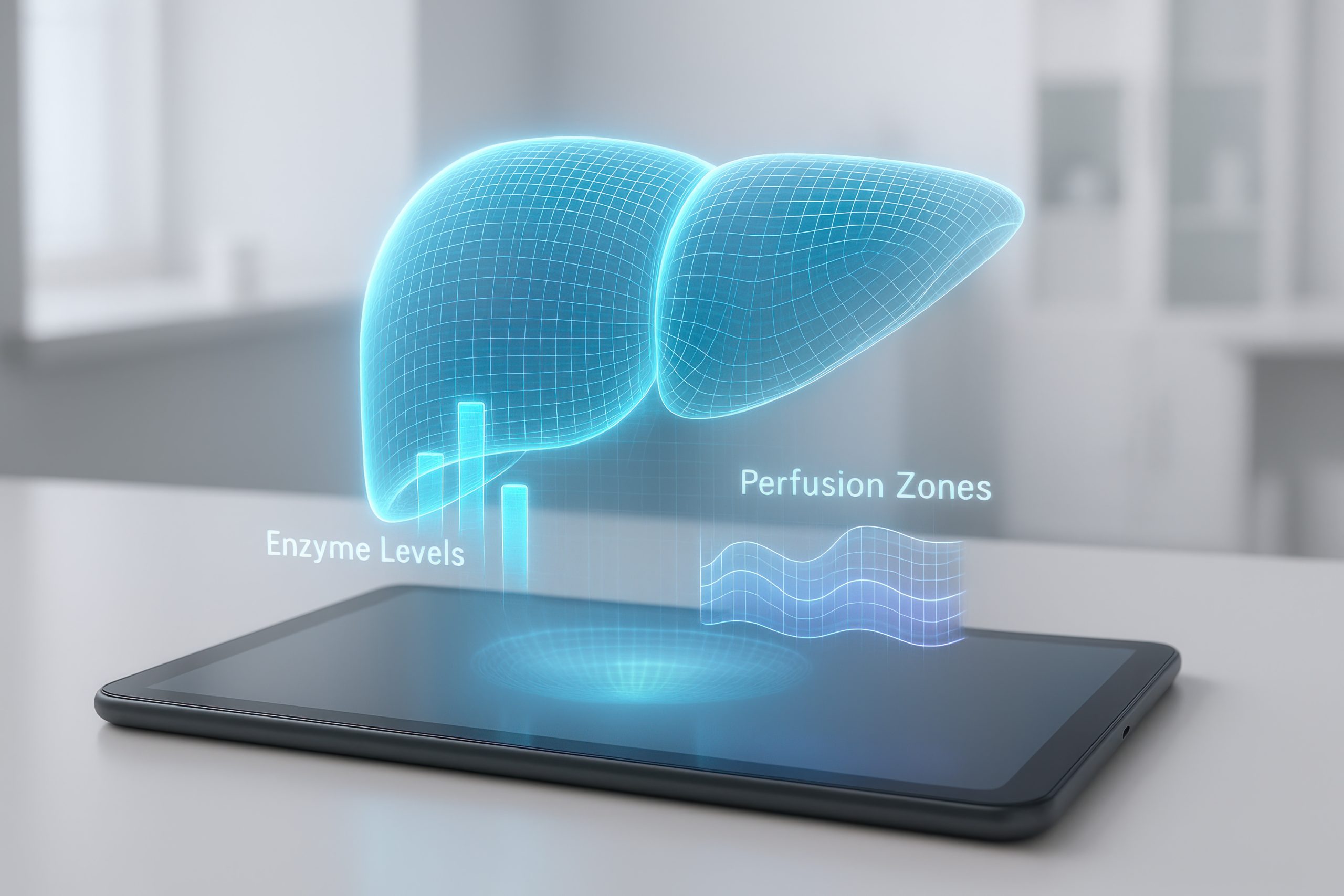
Invexo keeps discarded human organs outside the body under controlled, standardised conditions turning them into a programmable testbed for drug and device developers. In a single study, customers get pharmacokinetic parameters, metabolite profiles, toxicity biomarkers and imaging readouts generated on real human tissue, not animal proxies.
De-risk go/no-go decisions
Identify organ-specific liabilities in human tissue before clinical investment, increasing confidence & clinical success rates at a fraction of the cost of a failed trial.
Faster route to market
Compress preclinical cycles by 6 months to 2 years*, front-load human-relevant evidence and reduce Phase I bottlenecks by 20-30%*. *data still to be proven estimated numbers
Ethical readouts in disease-relevant models
Replace inaccurate animal studies with safety and efficacy readouts in healthy and diseased human organ states, the precise biological context that matters.
Stronger regulatory packages
Regulatory-grade human data (pre-IND, pre-submission) aligned with the emerging FDA/EMA Novel Approach Methodology framework, generated under GLP-aligned protocols.
A second value layer builds underneath the science: every study contributes to a structured, labelled human organ dataset, the kind of human-derived training data AI drug discovery companies increasingly need and cannot source at scale.
Our direct customers would be:
Pharma & Biotech MLEs
Medtech SMEs and MLEs
Contract Research Organisations (CROs)
AI drug discovery companies
Multi-Modal Data Outputs
Who are we?
Invexo is a project emerging from University College London (UCL). Six years of research have taken the platform to a working prototype.
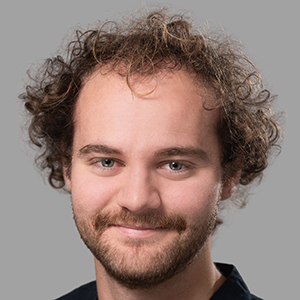
Loïc Lerville-Rouyer
Co-Founder & Project Lead
More About Loïc
Biomedical engineer with formative research experience in organ perfusion at UCL and regulated medtech R&D at Johnson & Johnson’s Center for Device Innovation. Previously led Asclepios, the first and only international student-led analog space mission, securing institutional collaborations with NASA and ESA. Leads Invexo’s strategy, commercial engagement and stakeholder relationships.
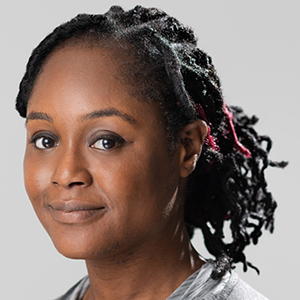
Dr Morenike Magbagbeola
Co-Founder & Technology Lead
More About Morenike
PhD in Adaptive Robotics from UCL, five years of postdoctoral research developing organ perfusion devices. Subsequently Lead Robotics Engineer at BP and Autonomous Systems Engineer at Wayve, one of Europe’s leading AI robotics companies. Leads the design, engineering and automation of Invexo’s perfusion platform.

Dr Zainab Rai
Co-Founder & Clinical Lead
More About Zainab
MD and Clinical Research Fellow at UCL specialising in hepato-pancreato-biliary (HPB) surgery, the precise clinical domain in which drug metabolism and organ-level toxicity are most relevant. Five years of organ perfusion research experience and Principal Investigator on translational studies with awards from the Royal College of Surgeons, NIHR and Pancreatic Cancer UK. Leads clinical research, human tissue ethics and regulatory engagement.

Prof. Brian Davidson
Scientific & Advisory Board
More About Brian
Consultant HPB and Liver Transplant Surgeon at the Royal Free Hospital and Head of Surgical Innovation at UCL. Author of 600+ peer-reviewed publications and Principal Investigator on 6 clinical trials in oncological treatments. Brings direct clinical credibility, deep transplant-network access and translational research leadership at one of the UK’s leading HPB centres.

Prof. Dan Stoyanov
Scientific & Advisory Board
More About Dan
Co-Director of the Hawkes Institute at UCL and Royal Academy of Engineering Chair in Emerging Technologies. Pioneer in surgical robotics and AI with 70+ patents. Co-founder of multiple deep-tech companies including a £200M exit, Chief Scientist at Medtronic. Brings IP strategy, deep-tech commercialisation experience and industry credibility.

Dr Agostino Stilli
Scientific & Advisory Board
More About Agostino
Associate Professor in Medical Robotics at UCL and Rosetrees Enterprise Fellow. Bridges robotics research and venture creation, with direct experience translating academic robotics IP into commercial ventures. Reinforces the platform’s robotics engineering and early-stage venture capability.
Get in touch
We would love your feedback on our technology.
Our technology is ideally suited for Pharma & Biotech MLEs, CROs, Medtech and AI Drug Discovery.